Call for Papers
We are pleased to invite researchers, clinicians, and users of psychiatry to an interdisciplinary academic conference exploring perspectives on self-understanding, diagnostic categories, social conditions that influence mental health/distress, and lived experiences of patients and clinicians.
In recent years, there has been growing recognition that psychiatric phenomena cannot be fully understood through biological or individual frameworks. Attention has increasingly turned toward the broader social and cultural contexts in which mental health/distress emerges and is interpreted, how increasing forms of suffering are subsumed under the umbrella of psychiatry, and how new forms of care are needed.
The need for both qualitative and quantitative methods, social perspectives and user participation, has emerged as a necessary step to deepening the understanding of mental health/distress. This conference seeks to provide a forum for reflection on these developments, bringing together contributions from anthropology, cultural studies, philosophy, psychiatry, psychology, social work, sociology and related fields.
Central to the conference is an engagement with patients’ life worlds - the subjective, meaningful contexts in which individuals experience, interpret, and respond to mental suffering.
Topics of interest include, but are not limited to:
- Philosophical analyses of, and perspectives on, psychiatric diagnosis and classifications, and how mental health and suffering may be defined
- The role of social conditions in mental health/distress
- Ethical and philosophical dimensions of psychiatric practice, including involuntary care
- Heritage of psychiatry and historical perspectives
- Life course and narrative perspectives
- Multicultural orientations for understanding and treating mental health/distress
- Patient agency, self-perceptions, and participation in care and research
- How institutional frameworks influence clinicians’ possibilities to provide care
- Existential/spiritual perspectives and creative expressions in relation to mental health
We welcome a range of contributions, such as theoretical papers, empirical research, case studies, contributions from users of psychiatry, and interdisciplinary collaborations. Our aim is to foster dialogue across disciplines and perspectives, encouraging nuanced and empathic dialogues that open new avenues for understanding psychiatry, clinical reality, clinicians, and those who are at the receiving end of services.
By centering both philosophical inquiry, clinical perspectives and lived experience, we hope to cultivate a space for thoughtful exchange and meaningful engagement with some of the most pressing questions in contemporary psychiatry. We warmly invite you to join us in this exploration of the complex intersections between psychiatry, society, and lived experience.
Please send your abstract for a 20 minute long presentation to conference.sffp@gmail.com. The abstract should be 350-400 words. Please also include a short biography.
Deadline: December 1, 2026.
Notification on acceptance: December 16, 2026.
A publication based on presentations from the conference is planned.
Conference dates: Wednesday 16 - Thursday 17, June 2027
Location: Department of social work, University of Gothenburg, Sweden. Sprängkullsgatan 23-25, Göteborg.
E-mail address for submitting abstracts and posing questions about the conference: conference.sffp@gmail.com
Conference fee: 1500 SEK
The conference is organized by Swedish Association for Philosophy and Psychiatry in collaboration with Department of social work and Center for Ethics, Law and Mental health (CELAM) at the University of Gothenburg.
Keynote Lecture
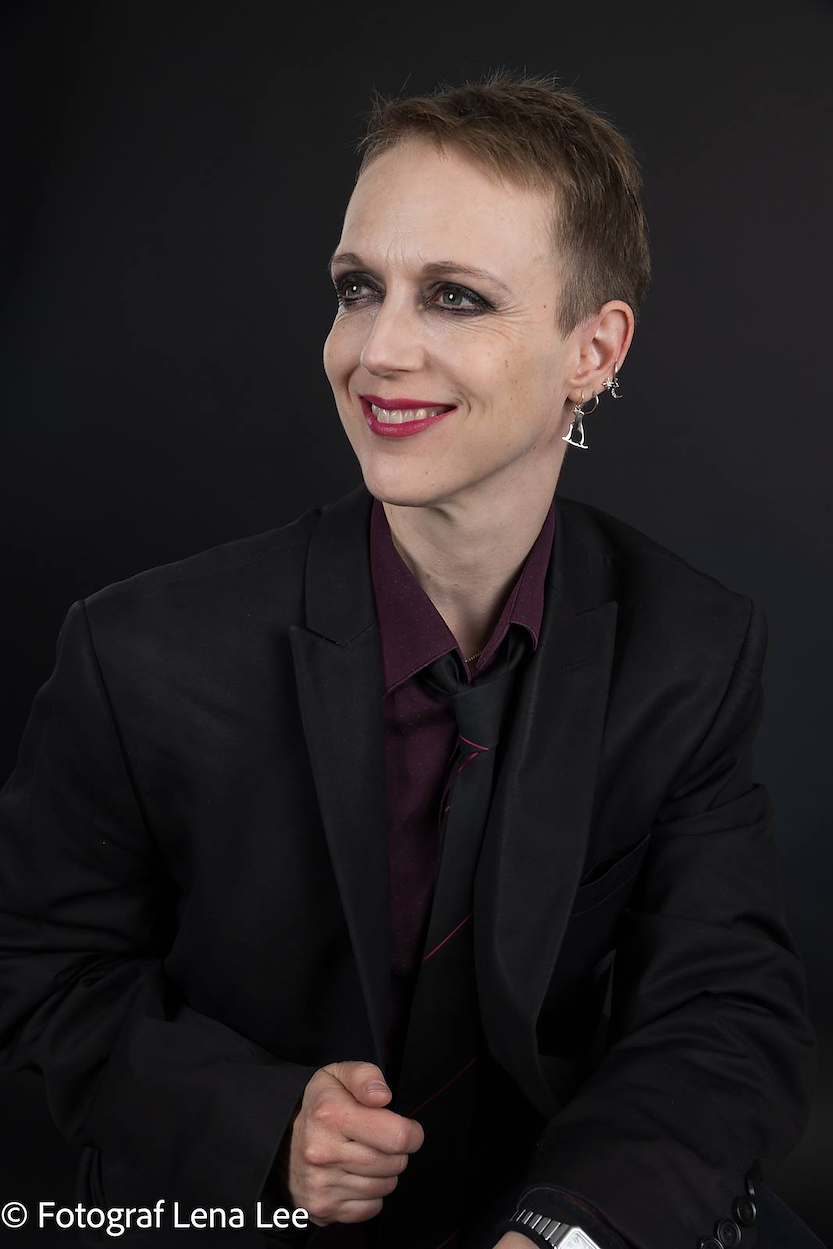
Mental Health in Three Societies: Prejudice-Free, Materially Safe, and Utopia
To which extent do mental health problems depend on the environment? This question is both empirical and philosophical. To answer it, we first need to distinguish between external factors that causally influence mental health, and those that provide obstacles given existing conditions. Physical analogy: Dangerous traffic and hazardous working conditions can causally influence the number of wheelchair users in society, whereas stairs without ramps provide obstacles for existing wheelchair users. Second, when talking about how much better certain groups would fare “in a better environment” or “less ableist society”, we need to elaborate on what that means. What kind of environment or society do we envision here, exactly? I discuss three hypothetical societies, increasingly different from the one we actually live in, and the extent to which each might diminish different kinds of mental health problems.
Bio
Sofia Jeppsson is associate professor of philosophy at the department of historical, philosophical and religious studies at Umeå University. She began her philosophy career publishing on free will, moral responsibility and applied ethics. Since taking up her current position at Umeå U in 2018, she has mostly published on the philosophy of psychiatry and madness, where she blends philosophy, empirical psychiatric research, and her own lived experience of psychosis.
Organizing Committee
Steinn Steingrimsson, the president of the Swedish Association for Philosophy and Psychiatry, is a psychiatrist, senior lecturer and chief of residential studies at the Sahlgrenska University Hospital. His main research focus is digital solutions in psychiatry, both as a part of treatment and teaching.
Elisabeth Punzi is a clinical psychologist, specialized in neuropsychology, and associate professor of psychology at the Department of Social Work and Centre for Critical Heritage Studies, University of Gothenburg. For many years she has, among other topics, researched the heritage of psychiatry and how creative activities can be integrated into psychiatric care.
Anna-Kari Sjödin is a licensed health-care social worker, and has a PhD from Sahlgrenska University Hospital, University of Gothenburg. She is active at the Centre for ethics law and mental health, CELAM, where she mainly has been involved in research in forensic psychiatry. She is also involved in research concerning bibliotherapy.
Thomas Nilsson is a forensic psychologist at the Sahlgrenska University Hospital and an adjunct professor at the Sahlgrenska Academy, University of Gothenburg. He has a broad research interest covering several aspects of forensic mental health services (FMHS), such as patient characteristics, risk management, patients' rights and obligations, and ethical questions concerning FMHS.